
Questions
Can Cops Tell If You're High from a Dispensary?
Yes, cops can tell if you're high from a dispensary through behavioral cues, field sobriety tests, and Drug Recognition Experts. They cannot see your purchase history unless they have a warrant or you're part of an active investigation, but they can detect impairment from cannabis regardless of where you got it.
How Do Cops Detect Cannabis Impairment?
When you're pulled over, officers look for observable signs of impairment, not just the source of your cannabis. They rely on a combination of physical cues, standardized tests, and specialized experts to build a case.
| Detection Method | What Officers Look For | How It Works |
|---|---|---|
| Behavioral cues | Red eyes, slowed speech, odor of cannabis, fumbling, delayed reactions | Initial observations during the traffic stop; these are noted in the officer's report. |
| Field sobriety tests (FSTs) | Balance, coordination, ability to follow instructions | Standardized tests like walk-and-turn, one-leg stand, and horizontal gaze nystagmus (HGN) assess impairment. |
| Drug Recognition Expert (DRE) | Physical signs, vital signs, pupil reaction, performance on divided attention tests | A specially trained officer (often with California Highway Patrol) conducts a 12-step evaluation to determine drug class. |
| Blood or urine test | Presence of THC or its metabolites | With a warrant or probable cause, a blood draw can measure THC levels, though impairment is not directly correlated. |
| Officer testimony | Observations of driving behavior, admissions, and physical signs | Officers testify about what they saw, which can be used in court. |
It's important to note that cannabis impairment is difficult to measure precisely. Unlike alcohol, there's no legal limit for THC in California, so officers rely on subjective assessments.


Can Police See Your Dispensary Purchase History?
No, police cannot simply look up your dispensary purchases. Dispensary records are confidential and protected by state law. Here's how it works:
- Know your privacy rights – In California, dispensary purchase records are considered confidential medical and personal information. They are not shared with law enforcement without a warrant or court order.
- Understand the legal process – Police would need a subpoena or warrant to access your purchase history, typically as part of a criminal investigation. This is rare for simple possession or DUI cases.
- Check the store's policy – At our dispensary near SoMa, we follow strict privacy protocols. We do not voluntarily share customer data with police. For more details, see whether dispensaries share data with police.
- Be aware of tracking – The state's track-and-trace system (Metrc) monitors inventory, not individual purchases. It does not link sales to your identity unless a specific investigation occurs.
- Understand ID scanning – When you show your ID, we verify age, but we don't upload your information to a police database. For more on ID scanning, see why your ID is scanned at the dispensary.
In short, your purchase history is not visible to police during a routine traffic stop. They cannot tell if you've been to a dispensary just by looking at you.
Your Rights When a Cop Suspects You're High
A good fit if…
- You want to protect your rights – You have the right to remain silent, the right to refuse field sobriety tests (though refusal may lead to arrest), and the right to an attorney.
- You're unsure about your legal situation – Knowing your rights helps you make informed decisions during a stressful encounter.
- You want to avoid self-incrimination – You are not required to answer questions about where you've been or what you've consumed.
Consider another option if…
- You're looking for legal defense strategies – This page provides general information, not legal advice. For specific charges, consult a qualified attorney.
- You need advice on how to handle an arrest – We recommend seeking professional legal counsel immediately.
How to decide: If you're pulled over and suspected of cannabis impairment, remember that you have rights. Politely decline to answer questions, request a lawyer, and cooperate with basic identification requirements. For more on your rights, see how dispensaries handle your data.
How to Respond If a Cop Asks About Dispensary Use
If an officer asks whether you've been to a dispensary, you are not obligated to answer. Here's what to do:
- Stay calm and polite – Keep your hands visible, speak respectfully, and avoid sudden movements.
- Exercise your right to remain silent – You can say, "I prefer not to answer questions," or "I'd like to speak with an attorney."
- Decline field sobriety tests – You have the right to refuse, but be aware that refusal may be used against you in court.
- Provide identification only – You must show your driver's license, registration, and proof of insurance, but you don't have to discuss your activities.
- Request a lawyer – If the questioning continues, repeat that you want legal counsel.
Remember, the San Francisco Police Department and California Highway Patrol are trained to look for impairment, but your cooperation with basic identification doesn't require you to incriminate yourself. For more on what to expect, see how buying from a dispensary works.
Directions to our dispensary near SoMa from Museum of the African Diaspora
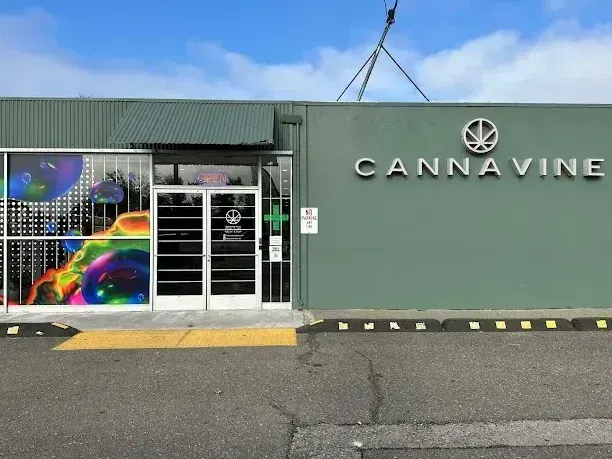
Start at Museum of the African Diaspora and head to Cannavine Cannabis Dispensary (San Francisco) at 70 2nd St, San Francisco, CA 94105.
Sources
Frequently asked questions
Can police tell if you've been to a dispensary just by looking at you?
No, police cannot tell if you've been to a dispensary by appearance alone. They may notice the smell of cannabis or behavioral signs of impairment, but that doesn't indicate where you purchased it. Your purchase history is confidential and not accessible during a routine stop.
Do dispensaries report purchases to the police?
No, dispensaries do not report individual purchases to police. California law requires confidentiality for customer records. Police can only obtain such records through a warrant or subpoena in a criminal investigation.
What happens if you refuse a field sobriety test?
Refusing a field sobriety test is within your rights, but it can lead to consequences. In California, refusal may result in an automatic driver's license suspension and can be used as evidence of impairment in court. It's best to consult with an attorney if you're in this situation.
Is there a legal limit for THC while driving in California?
No, California does not have a legal THC limit for drivers. Unlike alcohol, there's no per se limit. Instead, officers use observations and DRE evaluations to determine impairment, which can be subjective.
Can a Drug Recognition Expert (DRE) accurately tell if you're high?
DREs are specially trained to identify drug impairment through a systematic evaluation. While they can be accurate, their assessments are not infallible. They rely on physical signs and tests, but cannabis impairment is complex and can vary by individual.
Also asked as
- How do police know if you're high on weed?
- Can police see my dispensary purchase history?
- What are my rights if pulled over high?